
Live streaming bookmakers in the UK: ten licensed sites compared side by side
 Available in US
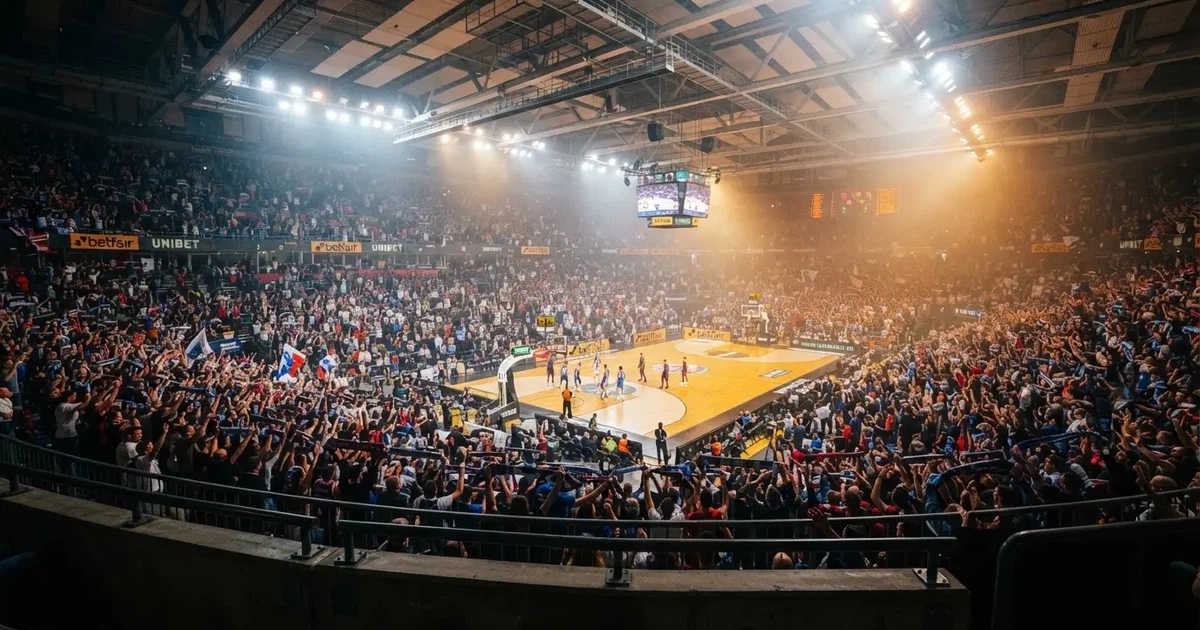
A live feed next to your betslip is no longer the novelty it was five years ago. It is now table stakes for any serious British bookmaker, and the question for a punter picking where to play is no longer *whether* a brand streams matches but what it streams, what it asks for in return, and how its in-play markets and cash out behave when the picture cuts out. The ten sites below are all licensed by the Gambling Commission for remote betting in Great Britain. They differ in what they put on screen, how they treat a stake once a goal goes in, and where the small print costs more than it first looks.
The figures and licences below were checked against the Gambling Commission’s public register and each operator’s own published terms on 27 October 2026.
The ten licensed sites at a glance
A licence is a licence is not a ranking, and ten licensed sites are not a hierarchy. The table below shows what each operator’s own terms state about live streaming, in-play betting and cash out, plus the Gambling Commission account that the public register carries against the brand. The page that follows gives the verdict on each one.
| Brand | Gambling Commission remote licence | What the operator’s own terms say about live streaming, in-play and cash out |
|---|---|---|
| Star Sports | Account 9177 — Star Racing Limited | Pre-event and in-play markets with Bet Boosts, Daily Specials and Weekend Enhanced Boosts; in-play on football, horse racing, golf and US sports |
| DragonBet | Account 64908 — DragonBet Ltd | Welsh football and rugby markets, racing, American football, in-play and bet builder markets; live streaming terms are in the operator’s own terms |
| BetGoodwin | Account 2927 — Goodwin Racing Limited | Pre-match and in-play Bet Builder across 11 sports; Early, Partial and Auto Cash Out; over 200,000 live events each month |
| Lottoland | Account 38991 — EU Lotto Limited | Sports betting alongside casino, lottery betting and scratchcards; live streaming terms are in the operator’s own terms |
| Betfred | Account 39544 — Petfre (Gibraltar) Limited | Bet Builder, Sub Switch, Racing Post data, Extra Places, live casino and bingo; live streaming terms are in the operator’s own terms |
| Kalooki Sportsbook | Account 57730 — Kalooki Sportsbook Limited | Instant withdrawals by bank transfer, Best Odds Guaranteed on UK and Irish racing, in-play betting, daily boosts and extra place races; live streaming terms are in the operator’s own terms |
| Sky Bet | Account 67370 — SBG Sports Limited | Matchday Assist, BuildABet, Acca Freeze, Bet & Watch, Request A Bet, in-play, My Bets with cash out, Price Boosts on 250+ markets weekly |
| bet365 | Account 55148 — Hillside (UK Sports) ENC | Bet Builder+ combining markets from one event into a single bet pre-match and in-play, Super Boosts, Winnings Boosts, in-play betting and live streaming of events worldwide, plus Bet Track, Match Live and a Live Golf Tracker |
| Matchbook | Account 39504 — Triplebet Limited | Betting exchange where customers bet against other users; Bet Builder, multiples, in-play betting and live streaming of horse racing and greyhounds |
| Kwiff | Account 44448 — Eaton Gate Gaming Limited | Licensed by the UK Gambling Commission; trademark operated by Spryme Ltd; live streaming terms are in the operator’s own terms |
A note on what’s missing. Where the table reports the operator’s own terms only, that reflects what the brand’s own page or its app listing says about the subject. A blank does not mean the brand does not stream; it means the brand’s own listing does not state it. Several sites run live streaming through their app without making it a marketing line on the homepage, so the practical test is to open the app, sign in, and look for the small play icon next to the in-play market.
How live streaming at a bookmaker actually works
Live streaming at a UK bookmaker is a video feed of a sporting event running alongside an in-play market, with the prices moving as the action unfolds. It is not a replacement for a TV broadcast. The picture is typically lower resolution, has a few seconds of delay compared with a satellite feed, and is locked behind one of three conditions: a funded account, a recent bet on the event, or a bet on the specific race. The delay matters — by design, so that a punter watching the feed cannot beat the price that someone watching a faster TV feed has just moved.

The reason the delay exists is price integrity. In-play prices are set by the bookmaker’s traders, who react to what their models see; if a feed were truly live, a punter armed with a faster data source could trade on information the trader had not yet seen. The few-second buffer keeps the market honest.
Where the feed comes from
A bookmaker does not own the rights to a Premier League match or a Cheltenham card. Rights belong to broadcasters and to the sport’s governing bodies, and a UK bookmaker streams a feed either through a wholesale rights deal with a broadcaster or through a syndication partner. Some feeds are free to the bookmaker and pass straight through; some carry a per-viewer cost that the bookmaker absorbs and recovers through tighter prices; and some are shared between operators so that one feed pays for everybody’s access. Either way, the picture that lands on a phone in Salford was licensed somewhere upstream.
The practical upshot is that the picture may vanish. Rights change between seasons, and a feed that worked in October may not be there in March. A punter who plans to watch a specific league through a specific bookmaker should check the operator’s live streaming page before committing.
What you have to have on the account
The condition for watching depends on the feed. Racing streams typically require either a funded account or a minimum bet on the race itself — William Hill’s WHTV, for example, requires a funded account or a bet in the last 24 hours for general racing, and a bet of £1 or more on the specific race for live racing. Football and tennis feeds are usually unlocked by any funded account, and a handful of bookmakers run open streams on selected events. The terms vary by operator and by feed, so the rule is to read the streaming page before assuming the picture will be there.
A funded account is not a settled bet. A punter who deposits £10 and never places one meets the funded-account test on most feeds, which means the lock-out is light in practice. The lock-out that costs money is the racing one, where the qualifying bet on the specific race is what unlocks the picture for that race.
What you can do while you watch
Three things. You can place a new bet on a market that is still live — that is the in-play market, and it behaves differently from a pre-match one (see below). You can take cash out on an existing selection if the operator offers cash out on that market at that price. And you can sit on your hands, which is the cheapest option and the one that the market is built to discourage.
The picture and the price are not independent. A goal goes in, the price moves, and the picture is the cue. A punter who watches without a bet open is paying attention for no reason; a punter who watches with a bet open is watching the trigger for the next decision.
In-play betting, cash out, and how they differ from a pre-match bet
In-play betting — live betting, same thing — is betting on a market that is still open after the event has started. The price on a football match is 2.10 pre-kick-off; the home side scores in the twentieth minute and the price on the draw collapses to 1.80 while the price on the away win drifts out to 7.50. Those new prices are the in-play market, and a bet placed at 1.80 on the draw settles at the end of the match on the result at full time, not on the score when the bet was placed.
Cash out is a separate mechanism that lets a punter settle a bet before the event is over. A bet placed at 2.10 on the home win is sitting at a cash-out value of £18 when the home side scores — the operator offers to pay £18 now, and the punter takes it, the bet is over, the original stake and the original odds no longer matter. The cash-out value is the operator’s own calculation of what the bet is worth right now, and it is almost always less than the fair value of the bet on the open market — that is how the operator makes money on the cash-out button. The same button lets a punter take a partial loss on a losing bet: a £10 stake on the draw at 3.40 that is looking hopeless at 0-3 down might have a cash-out value of £2, and accepting it returns £2 instead of zero.
The two mechanisms are not the same thing. In-play is a new wager on a market that is still open; cash out is closing an existing wager before the event has finished. A punter can cash out a pre-match bet, a punter can cash out an in-play bet, and a punter can place an in-play bet and let it run. What a punter cannot do is treat cash out as a guaranteed profit. The value is the operator’s offer, and the operator is not in the business of giving money away.
When cash out is not available
Cash out is not a universal right, and the operator’s terms are the test. One UK-facing sportsbook’s terms state that cash out is unavailable during market suspension and may fail if odds change or a market is suspended during the cash-out delay. William Hill’s Cash Out is not available on each-way bets and is not always available on accumulators, and William Hill does not guarantee its availability. The pattern is the same across the market: cash out is offered on selected markets, it can be pulled mid-event, and the punter who needs it should not assume it will be there at the decisive moment.
A second consideration. Cash out is a tool for the punter who has changed their mind. It is also a tool for the punter who has placed a bet they should not have, and it lets them cut the loss instead of waiting to see. The arithmetic is the operator’s, not the punter’s, and a punter who relies on cash out as a safety net is paying the operator for the privilege.
In-play versus pre-match pricing
The prices on the same market are different before the event and during it. A pre-match price is set by a model with limited inputs; an in-play price is set by the same model with the live score, the live stats and the live money added in. The two prices converge around the same fair number, but the in-play price moves faster and the spread around it is wider. A punter who has an edge on a pre-match market does not automatically have an edge on the in-play version, and a punter who has an edge on the in-play market has to beat a tighter margin in a shorter window.
The practical upshot is that the margin on in-play markets is higher than on pre-match markets. The bookmaker has to pay for the feed, the trader and the technology, and it recovers the cost from the spread. A punter who bets in-play a lot is paying for the privilege of betting in-play.
What it costs: how the return on a winning bet is worked out
The arithmetic is the same as it is for a pre-match bet, and it is worth knowing because the cash-out value and the in-play price are both quoted in decimal form against the same stake. A £10 single at decimal odds of 3.50 returns £35 — the £10 stake plus £25 of winnings — and the net profit is £25. The stake is the multiplier, the odds are the multiplier, and the product is the total return. A combination bet multiplies the odds leg by leg into one price, and a £10 treble at 2.00, 3.00 and 4.00 lands at decimal odds of 24.00 — a return of £240 against a stake of £10, a profit of £230. The result is a band, not a single figure, because the odds are the punter’s choice and the stake is the punter’s choice, but the relationship between them is fixed.
A worked example: a £10 single at fractional odds of 5/2, which is the same as decimal odds of 3.50. The return on a win is £35 — the £10 stake multiplied by 3.50. The net profit, ignoring the stake, is £25. On a loss, the return is zero and the stake is gone. On a void, the stake is returned and the bet is settled as if it had not been placed. The band of outcomes — £35 if it wins, £0 if it loses, £10 if it is void — is the shape of a single bet, and the same shape holds for an in-play single and for the leg of a Bet Builder.
The arithmetic is the punter’s first defence. A £10 bet at 3.50 has to win about 28.6% of the time to break even before the bookmaker’s margin is taken into account — one divided by 3.50 is 0.286. A punter who knows the break-even rate knows the size of the edge they need, and a punter who bets at shorter odds needs a higher strike rate, not a smaller one.
Who offers what: the ten operators in detail
A licence is a licence is not a verdict. The section that follows gives the page’s own judgement on each brand, based on what the operator’s own terms and the public register carry. The verdict answers a different question for each brand — what the brand is best at, what the small print costs, who the brand is for.
Star Sports
Star Sports runs pre-event and in-play markets across football, horse racing, golf and US sports, with Bet Boosts, Daily Specials and Weekend Enhanced Boosts on top. The brand is licensed under Star Racing Limited against Gambling Commission account 9177. The sports coverage is broad for a brand of its size, and the in-play menu on football is the strongest of the lot — Star Sports has built its name on being first with prices on lower-league and non-league English football, and the in-play markets follow that lead.
The brand suits a punter who wants early prices on English football and US sports and who is happy with a smaller market menu in exchange. The catch is in-play depth, which does not stretch to every sport on the calendar.
DragonBet
DragonBet’s app is published by DragonBet Ltd and the brand runs Welsh football and rugby markets alongside racing, American football, in-play markets and bet builder markets. The licence is held against Gambling Commission account 64908. The Welsh angle is the differentiator — DragonBet prices up the Welsh Premier League, the Welsh rugby regional matches and the smaller Welsh meetings that the bigger brands leave alone.
The brand suits a punter with a Welsh interest who wants a bookmaker that treats the Welsh game as a primary product, not an afterthought. Anyone hoping for every Premier League market under the sun will be disappointed; DragonBet is a specialist, and the depth on the bigger leagues is shallower than the high-street names.
BetGoodwin
BetGoodwin offers pre-match and in-play Bet Builder across 11 sports, Early, Partial and Auto Cash Out on selected markets, and over 200,000 live events each month. The brand is licensed under Goodwin Racing Limited against Gambling Commission account 2927. The 200,000 live events figure is the headline number — that is roughly 6,600 live events a day, which puts BetGoodwin in the same in-play volume bracket as the bigger names despite a smaller marketing footprint.
The brand suits a punter who wants Bet Builder and cash out without paying the brand premium for it. The 11-sport Bet Builder is a specific product, and the Auto Cash Out is a specific feature that closes a bet at a target price without the punter having to watch the screen. The full-fat experience of a high-street brand is not what BetGoodwin offers; it is built around in-play betting, not the social-bet market.
Lottoland
Lottoland’s UK app combines casino, lottery betting, sports betting and scratchcards under one roof, and the brand holds a Gambling Commission licence for customers in Great Britain. The licence is under EU Lotto Limited against Gambling Commission account 38991. The pitch is the bundle — a punter who plays the lottery and the sportsbook does not have to manage two accounts.
The brand suits a punter who wants sports betting and lottery betting from the same wallet and is happy to take a thinner sportsbook in exchange. The sports product is smaller than the specialist brands, and the in-play menu reflects that. A serious in-play bettor will find more depth at a brand built around sport.
Betfred
Betfred’s app features Bet Builder, Sub Switch, Racing Post data, Extra Places, live casino and bingo. The licence is held by Petfre (Gibraltar) Limited against Gambling Commission account 39544. Betfred is one of the big three on the British high street, and the app carries the same racing-led product — Extra Places on the big meetings, Best Odds Guaranteed as standard, and a racing section that is the strongest part of the offer.
The brand suits a punter who bets on horse racing as the primary product and wants a high-street bookmaker with a long track record. A streamlined mobile-only experience is not the point here — Betfred is a full product, and the app carries the weight of every section.
Kalooki Sportsbook
Kalooki Sportsbook is operated by Kalooki Sportsbook Limited, licensed by the Gambling Commission under account 57730, and is a GAMSTOP member. The brand advertises instant withdrawals by bank transfer within minutes, Best Odds Guaranteed on UK and Irish horse racing, in-play betting, daily boosts and extra place races. The instant-withdrawal pitch is the headline — most UK brands quote 24 hours for a bank transfer, and “within minutes” is a specific promise that the punter is testing on the first cash-out.
The brand suits a punter who values fast withdrawals and BOG on racing above the brand name on the app. Do not expect the in-play depth of a major brand — Kalooki is a smaller bookmaker and the in-play menu reflects that.
Sky Bet
Sky Bet’s app features Matchday Assist, BuildABet, Acca Freeze, Bet & Watch, Request A Bet, in-play betting, My Bets with cash out, and Price Boosts on 250+ markets weekly. The app is operated by Bonne Terre Limited and is restricted to users in the UK and Ireland. The licence is held by SBG Sports Limited against Gambling Commission account 67370. The Acca Freeze is the differentiator — it freezes one winning leg of a five-leg accumulator so that the rest of the bet does not lose if one leg lets the punter down. Price Boosts on 250+ markets a week is a high cadence of enhanced prices.
The brand suits an accumulator punter who wants the safety net of Acca Freeze and the breadth of Price Boosts. It is less suited to a serious singles punter — Sky Bet is built around the acca market and the social-bet market, and the singles experience is functional rather than featured.
bet365
bet365 offers Bet Builder+ combining markets from one event into a single bet available pre-match and in-play, Super Boosts, Winnings Boosts on Bet Builders and selected singles, daily Bet Boosts, in-play betting and live streaming of events worldwide, plus Bet Track, Match Live and a Live Golf Tracker for following bets in play. The licence is held by Hillside (UK Sports) ENC against Gambling Commission account 55148. bet365 is the benchmark for live streaming — the brand’s feed library is the broadest in the British market, the in-play markets run deep, and the supporting trackers are the means by which the punter follows a bet without staring at the screen.
The brand suits a punter who wants the deepest live streaming library and the deepest in-play product on the British market. The price for the depth is the brand premium — bet365’s margins are not the tightest in every market, and the punter pays for the product. Those after a simpler app and a smaller menu may find it crowded, since bet365 is built around in-play betting.
Matchbook
Matchbook is a betting exchange where customers bet against other users, with Bet Builder, multiples, in-play betting and live streaming of horse racing and greyhounds. The licence is held by Triplebet Limited against Gambling Commission account 39504, and the licence category includes remote betting intermediary — the licence type that covers betting exchanges. The pitch is the price — on an exchange the punter is betting against other punters, the margin is the commission on net winnings rather than the overround on the price, and the odds are typically sharper than a traditional bookmaker’s.
The brand suits a Matchbook-experienced punter who wants sharper odds on horse racing and greyhounds and is comfortable with the exchange model. It is less suited to a casual punter who wants the back-a-fiver simplicity of a traditional bookmaker — Matchbook is an exchange, and the user experience reflects that.
Kwiff
Kwiff is licensed by the UK Gambling Commission and the trademark is operated by Spryme Ltd; the app has a 17+ App Store age rating. The licence is held by Eaton Gate Gaming Limited against Gambling Commission account 44448. The Kwiff pitch is the surprise element — the brand’s signature product is the random “Kwiff” that boosts the odds on a bet at the moment of placement, and the marketing positions it as the anti-punter-bookmaker.
The brand suits a punter who wants a different product from the mainstream and is happy with a thinner menu of sports. It is less suited to a serious racing punter, where Kwiff’s racing product is shallower than the high-street names.
The licensing frame: what a Gambling Commission licence does and does not mean
Every brand in the table above is licensed by the Gambling Commission for remote betting in Great Britain, and the public register is the test. The register can be searched by business name, trading name, domain or account number, and a brand that does not appear on it is not licensed. A licensed brand has passed the Commission’s checks on identity, on finances, on the integrity of the platform and on the social-responsibility code in the LCCP. The licence number on the register is the proof; the marketing claim is not.
What the licence does not mean is that the brand is “safe” in some absolute sense. The licence means the brand is regulated, and regulated is not the same as risk-free. The Commission’s customer-protection duties include identity verification before the first deposit, source-of-funds questions at higher spend, GAMSTOP coverage, financial vulnerability checks above a £150 rolling 30-day net deposit threshold, deposit limits, and the right to complain to an approved alternative-dispute-resolution body. Those are real protections, and they are the difference between a licensed brand and an offshore one. They are also not a guarantee of a particular outcome on a particular bet.
What the licence does not cover is the betting itself. The Commission’s role does not extend to approving odds, certifying markets, or standing behind a bet that goes wrong because the price moved. A losing bet is a losing bet, and the licence does not change that. A punter who treats the licence as a guarantee of a winning bet is reading the wrong document.
What may be bet on, and what is restricted
No statutory list of permitted bets or markets exists. An operator holds a licence for a category — remote general betting standard (real events), remote general betting standard (virtual events), remote betting intermediary — and offers markets under its own rules and the LCCP. In-play betting is offered by GB bookmakers and the controls are the operator’s licence conditions and customer-protection duties; no GB statute restricts it. Esports are treated like any other event; virtual events are a separate licence category; bets on politics, TV shows and novelty markets are offered by GB bookmakers and no statutory prohibition was found. The practical rule is that the market is on the operator’s site if the operator has priced it up, and the punter is responsible for checking what the bet actually settles on.
Offshore brands and the loss of protection
A GB licence is compulsory at the point of consumption. An operator whose remote facilities are used in Great Britain needs a Commission licence wherever it is based. A Curaçao, Maltese or Gibraltar licence is not a substitute. No offence aimed at a customer who merely bets on an unlicensed site was found, but the loss of protection is real: no GAMSTOP coverage, no Commission complaints route, no approved dispute-resolution body, no British consumer redress if funds are withheld, and not bound by the £150 vulnerability check or the bonus cap. The framing is honest: licensed means checks, limits, GAMSTOP and the bonus cap, but also identity verification before the first bet; unlicensed means none of those protections and the possibility of losing funds if the operator decides not to pay.
Responsible gambling: the tools and the rules a licensed brand has to offer
GAMSTOP is the national multi-operator online self-exclusion scheme and is a mandatory licence condition for online operators. The minimum period is six months, with options for one year, five years, or five years with auto-renewal, and after the minimum period the exclusion stays in place for a further seven years unless the customer asks GAMSTOP to remove it. GAMSTOP covers online sites and apps; betting shops use a separate service. A punter who wants to stop should register with GAMSTOP, not with a single bookmaker, because GAMSTOP covers every licensed brand.
The safer-gambling tools on a licensed brand include deposit limits, a Player Profile test, product restrictions and self-exclusion, with live-chat support and links to BeGambleAware, GamCare, GAMSTOP, Gambling Therapy and the BGC. Unibet’s safer gambling tools follow that pattern. The deposit limits are the customer’s choice, not a state-set ceiling; the operator offers the tool and the punter sets the limit. Help is also available outside the brands: GamCare runs the National Gambling Helpline, GambleAware funds treatment and research, the NHS runs gambling clinics, and Gamblers Anonymous runs peer-support meetings.
The financial vulnerability check
A financial vulnerability check applies to licensed remote betting when a customer’s deposits minus withdrawals exceed £150 in a rolling 30 days. The check is a public-record check — bankruptcy, county court judgments and the like — not an income check and not a credit reference check. The threshold is low enough that a punter who bets regularly will cross it within a month, and the check is the operator’s first line of defence on affordability. Financial risk assessments — the “affordability checks” of the press — have been announced in a staged plan with no start date, and should not be written about as if they are.
The deposit-limit rule
Operators must offer a gross deposit limit on a fixed time frame. The first changes have applied since 31 October 2025, a second phase was postponed to 30 September 2026, and whether it is live in full is not established. There is no state-set deposit or loss ceiling for betting: limits are the customer’s choice. A punter who wants a hard limit should set one with the operator, and the operator is required to honour it.
Bonuses, free bets and what they cost the punter
The marketing word is “free”. The small print is not free. A free bet is a token that settles a bet at the offered odds but does not return the stake — a £10 free bet at 3.50 returns £25 of winnings and zero of stake, where a £10 cash bet at 3.50 returns £35. The difference is the £10 stake, and the difference is the cost of the free bet. A punter who treats a free bet as £10 of cash is misreading the small print.
What the bonus cap does
Wagering requirements on bonuses are capped at 10x. A £10 bonus at 50x wagering needs £500 of qualifying bets; under the cap, the same bonus can require no more than £100. The cap applies to cash bonuses. Whether the cap applies to free bets with no wagering condition, and any cap on the money value of a bonus, are not established. The practical effect is that the headline-grabbing 500% bonus with 50x wagering is no longer legal at a GB-licensed brand; the cap has flattened the worst of the small print.
Mixed-product promotions
Mixed-product promotions — an offer that requires gambling on two or more product types such as betting, casino, bingo and lottery, for example “bet on football to get free spins” — are banned at GB-licensed brands. The ban is the line between a sportsbook offer and a casino-bundled offer, and it removes the casino tie-in that used to be a common feature of sports welcome packages. A punter who sees an offer that asks for casino play to unlock a sports free bet is looking at an offer from outside the GB-licensed set.
What to read before claiming
Three lines. The wagering requirement, if any, and what counts as the gross — the bonus alone, or the bonus plus the deposit. The minimum odds on a qualifying bet, because bets below the minimum do not count. The deadline, because a bonus that expires before the punter has cleared it is a bonus that pays out zero. A punter who reads those three lines and decides the offer is worth it has made an informed choice; a punter who claims without reading has made a marketing choice.
Mobile and app: how live streaming behaves on a phone
The feed runs on a phone the same way it runs on a desktop, with two practical differences. The phone is on a cellular network or a wifi network, and the picture depends on the connection; the phone screen is smaller, and the punter cannot see the picture and the betslip at the same size. The first point is solved by watching on wifi when possible; the second is solved by the bookmaker’s layout. The bookmakers that have thought about the phone put the picture above the betslip and the market tabs below; the ones that have not thought about it put the picture in a corner and force the punter to scroll.
The other practical point is data. A live feed uses data at a rate that depends on the resolution, and a punter who watches on a cellular connection can burn through a monthly allowance in a long session. The bookmakers that offer a low-data setting — typically a lower-resolution feed — give the punter the choice; the ones that do not force the punter to find the setting in the device.
App versus mobile site
The app is the primary product for the bigger brands — bet365, Sky Bet, Betfred — and the mobile site is a fallback. The app loads faster, holds the login, and has the live streaming and the in-play markets integrated. The mobile site is what a punter uses when the app is not installed, and the experience is typically a stripped-down version of the desktop site. A punter who bets in-play from a phone should install the app rather than rely on the mobile site; the experience is materially better.
Latency
Latency is the delay between the event and the picture on the screen, and the lower the latency the closer the punter is to a true live feed. The latency on a bookmaker’s feed is typically two to five seconds behind a satellite broadcast, and the latency on a phone is typically a second or two behind a desktop on the same network. The difference matters for in-play betting, because the price has already absorbed the information the punter is watching for. A punter who bets in-play from a phone is paying a one-second tax on every bet; a punter who bets in-play from a desktop on a wired connection is paying a smaller one.
Live streaming specifics: what the British market puts on screen
The British market’s live streaming is dominated by horse racing and football, with tennis, basketball and US sports filling out the menu. Racing streams are typically free to watch with a funded account or a qualifying bet on the race; football streams are typically free with a funded account; tennis and the smaller sports depend on the operator’s rights deals. The picture quality is typically standard definition rather than high definition, and the audio is typically commentary-free or commentary-light.
Racing
Racing is the strongest part of the British streaming menu, and every major brand streams UK and Irish racing. The reason is rights: the bookmakers fund a significant share of British racing through the Levy and through media-rights deals, and the streaming is part of the value the bookmaker returns to the punter. Best Odds Guaranteed — the practice the so the practice of paying out at the starting price if the starting price is higher than the price the punter took — runs alongside the streaming as a paired product, and a punter who bets on racing without either is paying the operator for less than the operator is selling.
Football
Football is the second-strongest part, and the British market streams a mix of UK and European leagues, with the bigger leagues (Premier League, Champions League, La Liga, Serie A, Bundesliga) typically available on the bigger brands and the smaller leagues available on the specialist brands. The picture is typically a syndicated feed, and the latency is typically a few seconds behind a TV broadcast.
Tennis, basketball and US sports
Tennis and basketball streams depend on the rights deals, and the bigger brands carry the bigger events. US sports — NBA, NFL, MLB, NHL — are typically streamed on the bigger brands, with the picture typically locked behind a bet on the event or a funded account.
Tax: who pays what
The player pays no tax on betting winnings in Great Britain. General Betting Duty is the operator’s tax on gross profits, currently 15%, and from 1 April 2027 a new remote betting rate of 25% applies within it, while remote bets on UK horse racing, bets on self-service betting terminals in licensed premises, pool betting and in-person betting stay at 15%. Until 1 April 2027 the remote rate stays at 15%. Whether operators pass duty on through odds is not established, and a punter should not assume the bet is being priced net of duty. The Commission’s statutory levy is a separate charge, not a tax.
The practical upshot is that the punter’s net return on a winning bet is the return the bookmaker quotes, less any cash-out value already taken, less any stake that did not return. There is no HMRC deduction at source, no tax form to fill in, and no further payment to make on the winnings. A professional gambler is a different case and should ask HMRC or an adviser.
Advertising and marketing: what is and is not allowed
Advertising is not licensed by the Commission; it runs through the CAP Code (non-broadcast) and BCAP Code (broadcast), enforced by the ASA, alongside the LCCP marketing conditions. CAP Code section 16: marketing must be socially responsible, must not be of strong appeal to under-18s, and no one who is or seems to be under 25 may be featured gambling or play a significant role, with an exception for marketing placed where a bet can be made directly. That rule concerns who may appear in the advertisement, not who may bet. The whistle-to-whistle ban — since 1 August 2019, betting advertisements are not shown on TV from five minutes before a live sporting event to five minutes after it, before the 9pm watershed, with horse and greyhound racing excluded — is an industry code, not a statute.
The Premier League clubs’ withdrawal of gambling sponsorship from the front of matchday shirts from 2026/27, with sleeves and hoardings remaining, is voluntary, not law. A punter who sees a shirt with a gambling logo in 2026/27 is seeing the last season of that placement, not the first season of a new rule.
The page’s verdict on the ten sites
Ten licensed brands, ten different products. The punter who wants the deepest live streaming library and the deepest in-play product on the British market has a clear pick in bet365. The punter who wants sharper odds on horse racing and greyhounds and is comfortable with the exchange model has a clear pick in Matchbook. The punter who bets on horse racing as the primary product and wants a high-street bookmaker with a long track record has a clear pick in Betfred. The punter who wants Acca Freeze and Price Boosts has a clear pick in Sky Bet. The punter who wants fast withdrawals and BOG on racing has a clear pick in Kalooki Sportsbook. The punter who wants early prices on English football and US sports has a clear pick in Star Sports. The punter with a Welsh interest has a clear pick in DragonBet. The punter who wants Bet Builder and Auto Cash Out has a clear pick in BetGoodwin. The punter who wants sports betting and lottery betting from the same wallet has a clear pick in Lottoland. The punter who wants a different product from the mainstream has a clear pick in Kwiff.
The choice between them is the punter’s, and the comparison above is the means by which the choice is made. The licence is the same on all ten; the product is not.
Frequently asked questions
How does live streaming at a bookmaker work?
A bookmaker’s live stream is a video feed of a sporting event running alongside an in-play market, typically a few seconds behind a TV broadcast. The picture is locked behind a funded account, a recent bet on the event, or a minimum bet on a specific race, depending on the feed and the operator. The delay exists so a punter watching the feed cannot trade on information faster than the bookmaker’s traders can see.
Which NBA betting apps offer live streaming?
NBA streams depend on each operator’s rights deals, and the bigger British brands stream a selection of NBA games each night of the season. The punter who wants the deepest NBA streaming should look at the bigger brands with the broadest US-sports rights deals; the punter who bets NBA occasionally will find the bigger brands cover the regular season and the playoffs.
Which betting sites have live streaming?
Every major British bookmaker streams something, and the ten British brokers on this page all carry some form of live streaming or in-play product. The breadth of the library varies by operator — bet365 runs the deepest feed library in the British market, Matchbook streams horse racing and greyhounds on the exchange model, and the smaller brands stream a narrower selection focused on racing and football.
How do in-play betting and cash out differ from a pre-match bet?
In-play betting is a new wager on a market that is still open after the event has started; the price has moved to reflect the live state of play, and the bet settles on the final result. Cash out is closing an existing wager before the event has finished, at a value the operator quotes. The two are different mechanisms, and a punter can use either, both, or neither.
How is the return on a bet worked out from the stake and the odds?
The return is the stake multiplied by the decimal odds, and the net profit is the return minus the stake. A £10 single at 3.50 returns £35 and pays £25 of profit; a £10 combination bet at combined odds of 24.00 returns £240 and pays £230 of profit. The relationship is fixed, and the punter’s choices are the stake and the odds.
How can it be checked that a bookmaker holds a Gambling Commission licence?
The Commission’s public register can be searched by business name, trading name, domain or account number, and a brand that does not appear on it is not licensed. Every brand on this page is on the register, and the account number is in the table at the top of the page. The register is the test; the marketing claim is not.
Bet types & in-play – UK betting
Content created by the «UK betting» team
