
Where Skrill Still Works at the Bookmaker in 2026
 Available in US
£5 minimum deposit at DAZN Bet, £10 at Betboro, £5 minimum first bet at Sky Bet — the spread of Skrill-accepting bookmakers serving Great Britain is narrow in number but uneven in the conditions each one puts in front of a customer. Some ask for a £5 first wager, some for £10, and one takes Skrill for deposits only and pushes withdrawals back through bank transfer. Reading the small print matters more than it looks, because the £5 difference between minimum deposits is rarely the £5 that actually leaves the account.
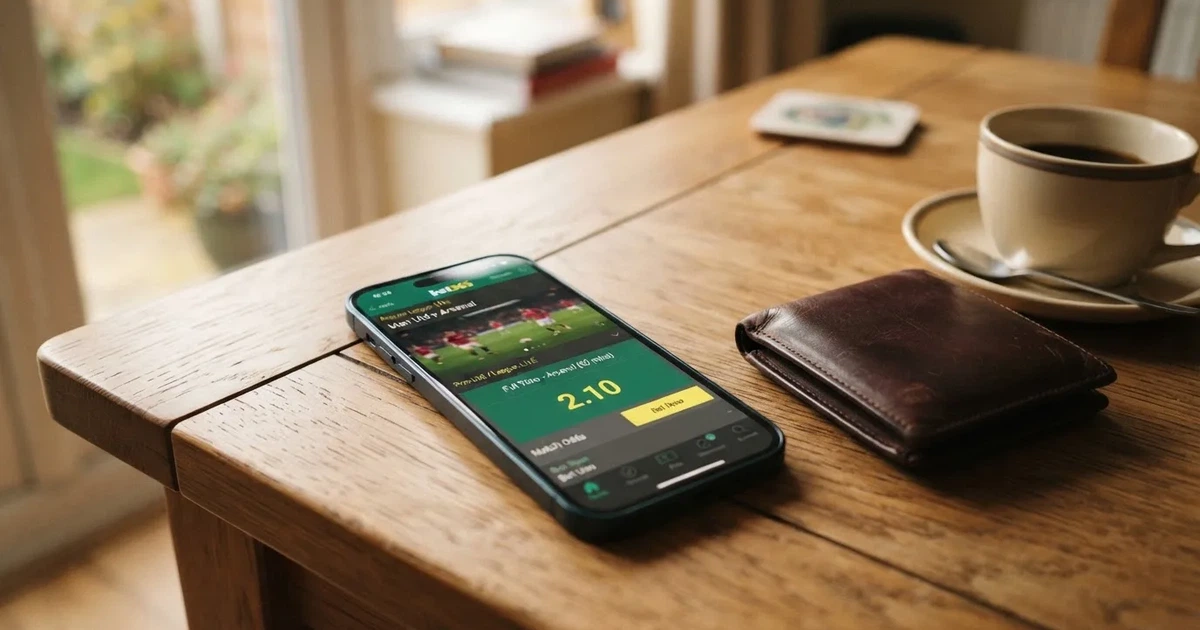
This guide lines up six Gambling Commission-licensed operators that accept Skrill on their UK-facing sites, walks through what each one says about the wallet, what the wider rules around Skrill betting look like in Great Britain in 2026, and where the offer economics sit when Skrill is the funding method. It is a comparison, not a recommendation — the verdict on each bookmaker sits with the reader’s own situation, and the figures below are what each operator publishes on its own pages or app store listings as of 27 October 2026.
The six operators, side by side
The table below is the spine of this guide. Six brands, all listed on the Gambling Commission’s public register against a remote general betting (real events) licence. The licence column carries the Commission account number and the entity the register names as licence holder, both of which a reader can verify on the register in seconds. The fourth column carries what each operator’s own terms or help pages state about Skrill — confirmed where the help page names the wallet directly, descriptive where it does not.

| Brand | Gambling Commission account | Licence holder | What the operator’s terms say about Skrill |
|---|---|---|---|
| QuinnBet | 61011 | QuinnBet (Gibraltar) Limited | Skrill not accepted for deposits (help pages name Neteller alongside); debit cards, Apple Pay, OpenBanking and Revolut cards listed instead |
| DAZN Bet | 48756 | DZBT Limited | Skrill accepted from a £5 minimum, alongside debit card, Apple Pay, Paysafecard and Trustly |
| Star Sports | 9177 | Star Racing Limited | No Skrill line in published help pages; the brand’s own cashier is the source for current method support |
| Bet Ahoy | 100094 | Bet Ahoy Ltd | Skrill not named in app-store listings; check the cashier before depositing |
| Sky Bet | 67370 | SBG Sports Limited | Skrill supported as a payment method at a £5 minimum first-bet threshold for the welcome offer |
| Betboro | 44181 | Webmedia Development N.V. | Skrill accepted; the welcome offer is locked to debit card deposits, not e-wallets |
QuinnBet’s exclusion is the most concrete finding in the table. Its help pages address the question by name and say Skrill and Neteller deposits are not accepted, with debit cards, Apple Pay, OpenBanking and Revolut cards the listed alternatives. For a reader who chose QuinnBet specifically to use Skrill, that one line ends the question before a deposit is attempted. The same answer is not always this clean — Star Sports and Bet Ahoy do not name Skrill either way, and the cashier at each brand is the place that decides it. Sky Bet and DAZN Bet name Skrill and accept it. Betboro names Skrill and accepts deposits through it but steers welcome-offer qualifying deposits toward debit cards, which is a tighter rule than the cashier itself.
Three things the table does not cover and that matter for the comparison: withdrawal speed from Skrill back to Skrill (most operators quote it in hours, a few in working days), whether Skrill deposits qualify for free bets and deposit matches (most operators exclude e-wallets from welcome bonuses, but the rule differs), and the Skrill fee schedule on the wallet side (a percentage on currency conversion, a small fee on receiving money from some merchants). Those points sit in their own sections below.
Skrill itself: the wallet behind the betting
A bookmaker that takes Skrill is, in practice, taking deposits and paying withdrawals through a digital wallet founded in London on 27 July 2001 under the name Moneybookers. The Moneybookers name was retired in stages from September 2011 and the Skrill brand finished its transition by 2013. Ownership has changed hands twice since — Investcorp bought the company in 2007, CVC Capital Partners acquired it for €600 million in 2013, and Optimal Payments (later Paysafe) paid €1.1 billion to take it over in 2015, which is where the wallet sits today as a subsidiary of Paysafe Limited.

Skrill operates as a multi-currency wallet that handles online payments, money transfers, card payments, bank transfers and conversion into cryptocurrency. The crypto trading service launched in July 2018, six months after international money transfers began in February of the same year. A 2015 disclosure of a security breach affecting around 4.5 million Skrill customer records traced back to 2009 sits in the wallet’s history and is the kind of item readers ask about when choosing between a regulated UK operator and an offshore brand running on its own security.
Sponsorship tells the same story as the corporate file: Skrill has been visible in English football through the National League and as shirt partner for AC Milan since May 2020 and Leeds United since March 2021, alongside a longer-running relationship with the European Poker Tour. None of that makes Skrill a betting product in itself, but it sets the scale of the company a British bookmaker is integrating with when it adds the wallet to its cashier.
The British legal frame: what the licence actually buys
Every operator in the table above is listed on the Gambling Commission’s public register against a remote general betting (real events) licence. That licence is the entire test the regulator applies: any operator whose remote facilities are used in Great Britain needs a Commission licence, regardless of where the company is incorporated, since the Gambling (Licensing and Advertising) Act 2014 closed the point-of-supply loophole. A Curaçao, Maltese or Gibraltar licence is not a substitute, and a brand that serves British customers without one is operating outside the British framework entirely.
The Commission licence is not a rubber stamp. It carries the Licence Conditions and Codes of Practice (LCCP), which is where the rules the customer actually meets are written. Identity verification before the first deposit — name, address and date of birth, since 7 May 2019 — sits in the LCCP. So does the ban on credit cards for gambling, in force since 14 April 2020, and the credit-card ban covers credit-card-funded payments through an e-wallet, which means funding Skrill from a credit card and then betting with it is not a way around the rule. GAMSTOP, the national multi-operator self-exclusion scheme, is a mandatory licence condition for online operators since 31 March 2020. None of these are choices the operator makes; they are conditions of holding a Commission licence at all.
The financial vulnerability check is the newest addition in force and the one customers are most likely to feel. Since 28 February 2025, when a customer’s net deposits over a rolling 30 days exceed £150, a licensed operator must run a public-record check — not an income check, not a credit reference check, but a bankruptcy or county-court-judgment check against publicly held sources. A second affordability layer, the financial risk assessments that have carried “affordability checks” in the press, was announced in a Commission article dated 7 July 2026 in a staged plan with no start date yet. “Announced, staged, no start date” is the honest framing; it is not in force and cannot be relied on as a current customer experience. A separate deposit-limit requirement under RTS 12 started its first phase on 31 October 2025, with a second phase postponed to 30 September 2026, and whether that second phase is live at the time of reading is unclear.
What the licence does not do is also worth saying. There is no state-set cap on stakes in sports betting; each operator sets its own maximum stakes and may restrict individual customers. There is no statutory list of permitted bets or markets, so the menu at each bookmaker is the operator’s choice under its licence category, not a list set by the regulator. In-play betting is offered by GB bookmakers under the operator’s own licence conditions rather than under any explicit statutory rule. Financial spread betting, which Spreadex carries under both FCA and Gambling Commission oversight, is a separate regime entirely — the FCA regulates the financial product, the Commission regulates the fixed-odds book, and the FCA-side spread betting losses can exceed the original deposit, which is a structural risk that does not apply to fixed-odds wagering with any of the six brands in this guide.
The player pays no tax on betting winnings in Great Britain. General Betting Duty is the operator’s tax on gross profits, currently 15%, with a new remote betting rate of 25% coming in from 1 April 2027 (UK horse racing, pool betting and in-person betting stay at 15%). Whether operators pass duty on through their odds is not established; the duty sits on the operator’s side of the cash register, not the customer’s, and the customer never sees a tax line on a winning slip. Spread betting has its own rates — 3% on financial spread betting, 10% on other spread betting — and the Commission’s levy is a separate charge on operators, not a tax the punter pays.
A reader who chooses to use an operator that does not hold a Commission licence trades away the protections the licence carries. No GAMSTOP coverage, no approved dispute-resolution route through the Commission, no British consumer redress if funds are withheld, no protection under the 10x bonus wagering cap, no automatic vulnerability check, and no recourse when the operator’s own terms and conditions are the only contract. Enforcement against unlicensed operators is disruption — cease-and-desist notices, search-engine referrals, work with registrars, hosts and payment providers — not customer-side blocking. The Commission has been given, or is about to receive, court-order DNS blocking powers; ISP-level blocking is not in operation as of the material reviewed.
Safer gambling tools and where to get help
Every operator in the table above participates in GAMSTOP. Self-exclusion periods are six months, one year, five years, or five years with auto-renewal, and after the minimum period the exclusion stays in place for a further seven years unless the customer asks GAMSTOP to remove it. GAMSTOP covers online sites and apps; betting shops use a separate multi-operator scheme. None of the brands reviewed here is exempt, and signing up for GAMSTOP blocks new account creation at every UK-licensed online operator in one step.
Inside the operator’s own product, the safer gambling tools are a mixture of mandatory and voluntary features. Unibet’s UK site lists deposit limits, a Player Profile test, product restrictions and self-exclusion, with live-chat support and links to BeGambleAware, GamCare, GAMSTOP, Gambling Therapy and the Betting and Gaming Council. Star Sports publishes deposit limits, a Play Break facility and self-exclusion in My Account. Other operators carry the same toolset under different names; the LCCP requires most of it, and the gaps between brands are smaller than the marketing language suggests.
Outside the operator, the help lines are GamCare (which runs the National Gambling Helpline), GambleAware, the NHS gambling clinics, and Gamblers Anonymous. Each of those is a free service, confidential, and not a sales channel. None of them is part of any bookmaker’s terms and conditions, and reaching out to them does not require the customer’s account to be in any particular state.
The financial vulnerability check that fires at £150 of net deposits over 30 days is a public-record check rather than a credit check. For most customers it is invisible, because there is no public record for the operator to find. For customers with a bankruptcy or a county court judgment, the check surfaces information the operator is required to consider before accepting further deposits, and the operator may apply additional checks, set a reduced deposit limit, or close the account under its own anti-money-laundering duties. This is a licence-condition response, not a customer service preference; it is also a feature that no offshore operator carries, which is one reason a Skrill-accepting bookmaker licensed in Great Britain offers protections that a Curaçao-licensed equivalent does not.
Crypto and anonymity at Skrill bookmakers
The “anonymous Skrill betting” question is one the British regulatory frame answers before any bookmaker can. Identity verification — name, address, date of birth — is required before the first deposit at any Gambling Commission-licensed operator, and that requirement has been in force since 7 May 2019. The verification happens regardless of the funding method, so a Skrill deposit reaches an account that has already been opened in the customer’s real name and has already had those three pieces of information confirmed. There is no anonymous betting at a UK-licensed site, in the literal sense the search query implies; the word “anonymous” can only mean low-friction or fast, not unnamed.
The crypto angle is closer to a real choice but lands at the same place. Skrill offers its own cryptocurrency trading service, launched in July 2018, which lets a customer buy, hold and sell crypto inside the wallet. A reader who holds Bitcoin in Skrill can sell it for pound balance, fund a bookmaker from that balance, and never touch a card or a bank. From the bookmaker’s side, the deposit still arrives as a pound transfer from Skrill, and the verification the operator has already carried out is what binds the customer to the account — the crypto leg is a funding route inside Skrill, not an alternative identity for the betting account. No Commission rule prohibits crypto-funded e-wallet deposits; the verification requirement does the work that a crypto ban would otherwise do.
A no-KYC Skrill bookmaker exists in the offshore market. The trade is straightforward: the operator does not verify identity, so deposits and withdrawals happen in minutes, but the operator also does not hold a Commission licence, so GAMSTOP coverage is absent, the dispute-resolution route runs through the operator’s own terms, and the British consumer protections are gone. The financial vulnerability check, the £150 threshold, the 10x bonus wagering cap and the credit-card ban all sit inside the British licence; none of them travels with the wallet. A reader choosing between an anonymous offshore brand and a verified GB-licensed one is choosing between friction at the door and friction afterwards, with the friction afterwards priced in dollars and pounds rather than in minutes.
Bonuses and free bets through Skrill
The headline figure on a welcome offer is rarely the figure the bonus pays out, and Skrill-funded deposits are the place that gap opens widest. Three rules govern most of what follows, and they apply to the welcome offers on Sky Bet, Coral, Betway, Betboro and others reviewed in this guide.
First, the welcome offer is unlocked by a deposit and a first bet at minimum odds. Sky Bet’s welcome offer for new customers is £30 in free bets, credited as three £10 free-bet tokens after a deposit of at least £5 and a first single or each-way bet of at least 5p at odds of 1/1 (2.00) or greater. Coral’s sports welcome offer is “Get £40 in Free Bets when you bet £20” — a deposit and sports bet of £20 or more at minimum odds of 2.0 (1/1), with £40 in free bets issued within 7 days and expiring 7 days after issue, for new GB customers who opt in. Betway’s welcome offer for new UK and Ireland customers is £40 in free bet tokens (4 x £10) credited on settlement of a first bet of at least £10 at minimum odds of 2.0, with a 7-day expiry and debit card deposits only. Each offer names the minimum stake, the minimum odds and the time window in which the qualifying bet must settle.
Second, most operators exclude e-wallets from welcome-offer qualification. Betway’s terms explicitly say debit card deposits only, which is the cleanest expression of a rule that runs across the market. Betboro’s sports welcome offer — a 100% matched free bet of up to £25 on the first qualifying wager, requiring a debit card deposit of at least £10 and a first bet of £5 to £25 with at least three selections each at 3/5 (1.60) or higher — is locked to debit cards by name. Other operators carry the same restriction in their own terms, sometimes with Skrill named, sometimes with “e-wallets” as the catch-all. A Skrill-funded deposit that meets the stake and minimum-odds conditions can still leave the welcome offer untriggered because the deposit itself failed the funding-method rule.
Third, the wagering requirement cap. Since 19 January 2026, wagering requirements on bonuses at GB-licensed operators are capped at 10x. A £10 bonus at 50x would require £500 of qualifying bets; under the cap no bonus carries more than 10x turnover. Mixed-product promotions — an offer that requires gambling on two or more product types, such as betting and casino — are banned outright under the same rules. The cap applies to bonuses; whether it applies to free bets with no wagering condition, and any cap on the money value of a bonus, remain unclear.
The free-bet token is the unit most welcome offers actually pay in. A £30 free bet at Sky Bet is three £10 tokens, not a £30 balance. The economics of a free bet whose stake is not paid back are different from a cash bonus: at minimum odds of 2.00 and a market margin in the ordinary 5-8% range, a £10 free bet is worth roughly £4.50-£5.00 on average, not £10. The cap, the stake-not-returned rule and the minimum-odds condition together are what make a headline £30 or £40 figure worth less than it looks; reading the terms is the only way to see the gap.
Bet Ahoy, which is one of the six reviewed brands, carries its own offer stack rather than a welcome bonus: a 10% Acca Bonus up to £1,000, Sub-Cover for player substitutions, Best Odds Guaranteed on UK and Irish horse and greyhound racing up to £100, and Double Result payout on UK and Irish racing. None of those is a matched deposit or a free bet token; each is a pricing concession on a specific bet category, and each is funded through the operator’s margin rather than through bonus credit. For a customer who bets accumulators or bets into UK and Irish racing, the running concession is worth more per pound staked than a welcome bonus; for everyone else, the bonus is the better deal.
Payments, deposits and withdrawals through Skrill
The cashier is where the Skrill decision lives or dies, and the spread between the six brands runs wider than the licence register would suggest. DAZN Bet publishes a £5 minimum for Skrill deposits, alongside debit card, Apple Pay, Paysafecard and Trustly, with a £20 minimum for PayPal and no processing fees on the operator side. Sky Bet’s welcome offer is gated by a £5 minimum first bet, with the deposit methods listed in the cashier rather than in the welcome-offer copy. Betboro’s welcome offer is locked to debit card deposits of at least £10, with Skrill accepted for the deposit itself but excluded from offer qualification. QuinnBet’s published help pages do not list Skrill at the cashier, naming Skrill and Neteller together as not accepted for deposits.
Withdrawals are where the terms thin out. Skrill-to-Skrill is the fastest route most operators publish, with same-day processing as the typical quoted window and one to three working days as the slower end. The Skrill side of the transfer is instant once the operator releases the funds; the operator side is the variable. Operators also push some withdrawals back through bank transfer regardless of how the deposit arrived — a closed-loop policy that exists to manage money-laundering risk and that the customer meets as a withdrawal that arrives in the bank account rather than back in the wallet.
The Skrill side of the equation is not free. Currency conversion carries a fee published on the Skrill fee schedule, and a few receiving routes carry a small percentage. For a customer whose Skrill balance is already in pounds and whose bookmaker account is in pounds, the conversion fee does not apply; for a customer whose wallet holds euros or dollars and is paying into a pound balance, the fee is a real cost per deposit. A reader who holds multiple currencies in Skrill and intends to bet in pounds is paying for the convenience each time the wallet converts.
Bank-based alternatives are the comparison Skrill sits against. Trustly, OpenBanking and direct debit run from a bank account, settle in pounds without a currency conversion, and are accepted by DAZN Bet and others as deposit methods with the same or lower minimums. Apple Pay and Google Pay are card rails rather than bank rails, and they sit alongside debit cards in most cashiers. Revolut cards, where supported, work as a debit card; the OpenBanking option at QuinnBet sits in the same category. Skrill’s case is speed at the deposit (most cashier pages quote instant), privacy from the bank statement (the statement shows Skrill, not the bookmaker), and a wallet balance that can be funded from sources the bank would not normally cover.
QuinnBet — what it offers without Skrill
QuinnBet is the clearest negative finding in this guide. Its published help pages name Skrill and Neteller together and state that deposits through those wallets are not accepted, with debit cards, Apple Pay, OpenBanking and Revolut cards listed as the deposit methods instead. The QuinnBet offer stack is built around those rails, and the cashier does not include Skrill as an option. For a reader whose funding method is Skrill, QuinnBet is a brand to skip rather than to navigate.
The wider picture is more favourable. QuinnBet is listed on the Gambling Commission’s public register against remote general betting (real events) licence under account 61011, held by QuinnBet (Gibraltar) Limited. The brand is a legitimate British-facing operator under a real licence, and the absence of Skrill is a product decision rather than a regulatory one. The £150 net-deposit vulnerability check, GAMSTOP coverage and the 10x bonus wagering cap all apply, just through methods other than Skrill.
For a reader with a UK debit card and no strong preference for an e-wallet, QuinnBet is a working option. For a reader with a Skrill-funded bankroll and no debit card, it is not.
DAZN Bet — the Skrill-friendly low minimum
DAZN Bet is the cleanest match between Skrill and a £5 deposit minimum in this guide. The published help pages name Skrill as a deposit method alongside debit card, Apple Pay, Paysafecard and Trustly, all from £5, with PayPal a £20 minimum and no operator-side processing fee. For a customer testing the brand with a small first deposit, the entry point is lower than most of the market.
DAZN Bet’s operator, DZBT Limited, holds the Commission remote general betting (real events) licence account 48756. The site is a betting-focused product rather than a casino-heavy one, with the standard safer-gambling tools and GAMSTOP coverage as part of the licence conditions. The DAZN brand association is the sports-content side rather than the betting side, and the betting product sits inside its own terms.
What DAZN Bet does not publish is a Skrill withdrawal time. The cashier is the place that gives the actual figure for the brand, and “same day” or “one to three working days” is the typical window for an operator of this size. The Skrill side of the transfer is the faster of the two; the operator side is what the customer waits on.
Star Sports — race-led brand, Skrill by cashier
Star Sports is the race-led bookmaker in this guide, with a UK and Ireland app and safer-gambling features (deposit limits, a Play Break facility and self-exclusion) published in the app-store listing. Star Racing Limited is the holder of the Commission remote general betting (real events) licence account 9177, and the brand is a legitimate British-facing operator under the same regulatory frame as the rest.
The gap on Skrill is in the published material. The app-store listing and the published help pages do not name Skrill, which means the cashier on the live site or app is the source for current method support. For a customer choosing between brands on the basis of a confirmed Skrill route, the absence of a published line is a reason to check the cashier before committing a deposit.
The product is well-suited to horse racing and greyhound betting, with a smaller sportsbook across football, tennis and the major US sports. The race-led focus shows in the pricing and the market depth on racing, less so in the in-play coverage of football. For a customer whose betting interest is mostly racing, Star Sports is a competitive option; for a customer whose interest is football, the market depth matters more than the Skrill line either way.
Bet Ahoy — acca-led bookmaker, Skrill by cashier
Bet Ahoy is the bookmaker in this guide whose offer stack is built around accumulators rather than a welcome bonus. A 10% Acca Bonus up to £1,000, Sub-Cover for player substitutions, Best Odds Guaranteed on UK and Irish horse and greyhound racing up to £100, and Double Result payout on UK and Irish racing are the published features, and each is a running concession rather than a one-off credit. The licence is a Commission remote general betting (real events) licence under account 100094, held by Bet Ahoy Ltd.
Skrill is not named in the published material, and the cashier on the live site or app is the source for current method support. The brand’s niche is football accumulators, and the offer stack is built to reward that style of betting. For a customer whose betting is mostly singles and each-way bets, the offer stack is less relevant; for a customer whose betting is acca-led, the running concession is worth a few percentage points of stake per week, which over a season is a larger number than a welcome bonus.
The brand is small, the product is new, and the cashier is the right place to check the Skrill line before any deposit. Reading the offer terms once is also worth it: acca insurance terms, BOG limits and Sub-Cover conditions each carry their own rules, and the headline 10% is the entry point rather than the whole concession.
Sky Bet — the £30 free bet, Skrill-funded
Sky Bet’s welcome offer for new customers is £30 in free bets, credited as three £10 free-bet tokens after a deposit of at least £5 and a first single or each-way bet of at least 5p at odds of 1/1 (2.00) or greater. Skrill is supported as a payment method at Sky Bet’s cashier, and the £5 minimum first-bet threshold is the lowest in this guide. The licence is a Commission remote general betting (real events) licence under account 67370, held by SBG Sports Limited — Sky Betting and Gaming’s British-facing entity.
The economics of the £30 free bet are the same as the £30 free bet at any other brand where the stake is not paid back. At minimum odds of 2.00 and a market margin in the ordinary range, three £10 free bets are worth roughly £13-£15 on average, not £30. The 7-day expiry on each token, the qualifying-bet minimum, and the £5 first-bet threshold are the constraints the headline figure glosses over. The offer is real money; it is just not £30 of real money.
Skrill withdrawals at Sky Bet run back to Skrill where the operator’s closed-loop policy permits, and to bank transfer otherwise. The cashier is the place that gives the actual window, and same-day or next-day is the typical quoted range for a Skrill-to-Skrill return. The brand’s product depth is football and racing-led, with a strong in-play product and a price-boost section that runs daily.
Betboro — the matched free bet, debit-card gated
Betboro’s sports welcome offer is a 100% matched free bet of up to £25 on the first qualifying wager, requiring a debit card deposit of at least £10 and a first bet of £5 to £25 with at least three selections each at 3/5 (1.60) or higher. Skrill is accepted as a deposit method, but the welcome offer is locked to debit card deposits by name, which means a Skrill-funded deposit that meets the stake and minimum-odds conditions still leaves the offer untriggered.
The licence is a Commission remote general betting (real events) licence under account 44181, held by Webmedia Development N.V. — a Curaçao-incorporated entity running under a British licence, which is the structure most international operators use after the 2014 point-of-consumption rules. The brand’s product is a standard sportsbook with a smaller casino alongside, and the cashier lists the Skrill line as a working method for deposits that are not intended to trigger the welcome offer.
For a customer who already bets through Skrill and has no specific use for the Betboro welcome offer, the Skrill route is a working option. For a customer who wants the £25 matched free bet, the deposit must come from a debit card. The two facts together are the brand’s actual profile, and reading them together is what the cashier would have shown anyway.
What the comparison actually shows
Six brands, one regulator, four different stories on Skrill. QuinnBet excludes Skrill outright. DAZN Bet accepts it from £5. Star Sports and Bet Ahoy do not publish the line, and the cashier is the source. Sky Bet accepts it and uses a £5 minimum first bet as the welcome-offer threshold. Betboro accepts it for deposits but locks the welcome offer to debit cards. The same wallet, the same regulator, six different rule sets, and the variation runs in the operating decisions each brand has made about its own cashier.
For a customer whose bankroll lives in Skrill and wants to keep it there, DAZN Bet and Sky Bet are the cleanest matches. Betboro works for ongoing deposits but not for the welcome offer. Star Sports and Bet Ahoy need a cashier check before the first deposit. QuinnBet is a brand to put aside for Skrill-funded betting. The wider British legal frame — the credit-card ban, the verification-before-deposit rule, the GAMSTOP coverage, the 10x bonus cap, the £150 vulnerability check — applies to every one of them.
The honest framing at the end is the framing that ran through the comparison. A Skrill-accepting bookmaker licensed in Great Britain costs the customer a few minutes of verification and a few pounds of currency conversion when the wallet is held in a non-pound currency, and buys in return the full British regulatory protection. An anonymous offshore brand costs the customer nothing at the door and nothing at the verification step, and pays for that in the absence of any British recourse if funds are withheld. Neither is “the safe choice” by default; they are two different trades, and the figures on this page are what each side costs.
Frequently asked questions about Skrill betting in Great Britain
Can you bet against Skrill?
Skrill is a digital wallet, not a betting exchange or a sportsbook. There is no such thing as “betting against Skrill” in the way the phrase suggests. A punter can fund a bookmaker through Skrill, place bets at the bookmaker’s published odds, and withdraw winnings back to Skrill — that is the whole Skrill relationship with betting. Lay betting exists at betting exchanges like Betfair, which run under a separate betting intermediary licence and have nothing to do with the Skrill wallet itself.
Can you lose on Skrill betting?
Yes. A Skrill deposit at a bookmaker is still a real-money bet at that bookmaker’s odds, and the bookmaker’s margin sits inside every price. A winning bet pays stake × odds; a losing bet pays nothing back, and the stake leaves the Skrill balance. The Skrill side adds no protection beyond what the bookmaker’s own terms and the Gambling Commission’s licence conditions provide.
Can you use Skrill in betting shops?
Generally not. Betting shops in Great Britain handle cash, debit cards and, in some cases, card-based contactless payments at the counter. Skrill’s online wallet is built for online merchants, and the in-shop experience at most chains does not include Skrill as a payment rail. The online cashier — at the licensed operator’s site or app — is the place Skrill is used.
Which payment methods do GB-licensed bookmakers accept, and are credit cards allowed?
GB-licensed bookmakers each set their own cashier; debit cards, bank transfers, Apple Pay, Google Pay, Trustly, OpenBanking, Paysafecard and various e-wallets are the typical list. Credit cards are banned for gambling in Great Britain since 14 April 2020, including credit-card-funded payments through an e-wallet — funding Skrill from a credit card and then betting with it is not a route around the ban. The cashier at the chosen brand is the source for its current method list.
From what age can bets be placed in Great Britain, and when is identity verified?
The minimum age for betting in Great Britain is 18. Identity verification — name, address and date of birth — happens before the first deposit at any Commission-licensed operator, a rule in force since 7 May 2019. The verification covers free bets and bonus-triggering deposits, not only cash deposits, and the operator is required to confirm identity before any gambling activity is permitted on the account.
How can it be checked that a bookmaker holds a Gambling Commission licence?
The Commission’s public register at its official site lists every operating licence holder, searchable by business name, trading name, domain or account number. The register entry for each licence carries the categories covered (such as remote general betting standard, real events), the entity named as licence holder, and the operating sites the licence covers. A brand not on the register, or a brand whose domain is not listed against the named licence holder, is not a Commission-licensed brand for Great Britain.
Payments & apps – UK betting
Content created by the «UK betting» team
