
Padel betting odds in 2026: markets, margin and where the price comes from
 Available in US
Data current as of 27 October 2026 and cross-checked against the Gambling Commission’s public register for remote betting licences in Great Britain.

Padel betting odds follow the same arithmetic as any other sport’s, but the sport itself sits at the narrow end of the tennis family: doubles on a 10 m by 20 m walled court, tennis scoring, sometimes a golden point at deuce. The professional game is organised around Premier Padel, the unified global tour that took effect from the 2024 season after Qatar Sports Investments acquired the World Padel Tour in 2023, and licensed UK bookmakers list its events alongside the wider FIP calendar. Below that sport-level detail sits the question that actually drives a bettor’s decision: which bookmaker offers the right market, at a price worth taking, under terms that don’t penalise the punter for taking it. That is what this page covers.
How padel is priced and which tournaments drive the calendar
Padel as a betting subject starts with a sport few UK bookmakers carried a decade ago and almost all mainstream licensed operators now list at least in passing. The professional circuit is anchored by Premier Padel, which sits at the top of the pyramid and draws the deepest market coverage, with the FIP-run calendar underneath feeding the rankings and seeding. Before a bettor compares two prices on a Premier Padel match they are already several decisions deep: which tour the event runs on, whether it is live in-play, and how deep the bookmaker’s market list goes beyond the headline match winner.

The sport in one paragraph
Padel is usually played as doubles on a 10 m by 20 m court enclosed by walls and fencing, with a net 88 cm high at the centre. Scoring follows tennis, and at deuce a golden point may replace the advantage — the receiving side chooses which player returns the serve. The International Padel Federation (FIP) states there are more than 35 million active padel players in more than 150 countries as of 2025, which is the figure that explains why the professional game has grown into a betting market at all: bookmakers list what a critical mass of customers will actually bet on.
The tournament structure a bettor needs
Premier Padel is the unified global professional tour formed after Qatar Sports Investments acquired the World Padel Tour in 2023, and took effect in the 2024 season. The tour runs a season-long points race with categories from the headline Major events down through P1, P2 and the lower-ranked stops, and the FIP calendar underneath carries the regional competitions that feed player rankings. For a UK bettor, the practical effect is that the most liquid markets — match winner, set score, total sets, handicap — cluster around Premier Padel Major and P1 weeks, while smaller FIP events appear with thinner pricing and shorter in-running availability.
The markets themselves follow padel’s doubles-first reality. Match winner is split by pair rather than player; a set betting market lets the bettor call 2-0 or 2-1; total games and over/under lines appear where liquidity supports them. Some operators run player-level props within a pair on bigger tournaments, but the bulk of the menu is at pair and match level. A bettor who treats padel like singles tennis will find the market narrower than expected; a bettor who treats it like doubles tennis will already be in the right shape.
Why the calendar matters for the price
A Premier Padel Major draws deeper liquidity than a one-off FIP exhibition, which means tighter margins and more stable in-play prices. Smaller events are quoted with a wider margin because the bookmaker has less offsetting action, and a price that looked generous on Tuesday can shorten sharply once a sharp bettor lands on it. The practical consequence: a bettor who wants repeatable value shops the events that sit inside the busiest part of the calendar, not the ones that happen to be live on a quiet Tuesday.
Top 10 UK bookmakers for padel betting
The ten operators below all hold a Gambling Commission remote betting licence for Great Britain at the time of writing and were chosen because, between them, they cover the spectrum of padel betting a UK punter is likely to meet: from dedicated betting exchanges to mainstream high-street names and newer mobile-first brands. Each review covers the licence, the padel market coverage as the operator’s own terms and pages state it, and what a bettor should weigh before staking. Set and order follow the operator card order set out in research, not a ranking.
| Operator | Licence (account) | Licence holder | What the operator’s own terms state |
|---|---|---|---|
| BetMGM | 39198 | LeoVegas Gaming PLC | Sports welcome offer for new UK customers who deposit £10 or more and place a sports bet within 7 days is four £10 free bets, valid for 7 days |
| Octobet | 62545 | Octopus Game Limited | Sportsbook welcome offer is 50% back as a free bet up to £50, plus a £10 casino bonus for new customers |
| Smarkets | 39173 | Smarkets (Malta) Limited | UK open bank transfer deposits are instant from £10 up to £10,000; withdrawals processed within 6 hours from £10 up to £100,000 |
| LiveScore Bet | 56859 | LiveScore Betting and Gaming (Gibraltar) Limited | Bet Builder allows up to 10 selections across match result, BTTS, corners, totals, player scoring and card markets |
| Betboro | 44181 | Webmedia Development N.V. | Sports welcome offer is a 100% matched free bet of up to £25 on a first qualifying wager |
| Bar One Racing | 56516 | Bar-One Racing Limited | Irish independent bookmaker rebranded as BAR 1 Betting with horse racing sponsorships across Irish tracks |
| VBet | 44662 | SCGO Limited | Sports welcome offer is a £10 free bet if a new, verified customer stakes £10 or more on a first-ever bet that loses |
| Bet Ahoy | 100094 | Bet Ahoy Ltd | Welcome offer is “Bet £10 & Get £10 in Free Bets”, made up of a £5 sports bet and a £5 acca |
| Midnite | 101839 | Midnite Limited | Sports welcome offer: bet £5 or more on pre-match odds of EVS (2.0) or greater within 14 days to receive £25 in free bets and 50 free spins, valid for 7 days |
| Fitzdares | 400 | Fitzdares Limited | Cash out, accumulators, Lucky 15s, specials and antepost markets with in-play live odds |
The licences are confirmed against the Commission’s public register at the data stamp at the top of this page. Every operator above runs under a remote general betting standard (real events) licence except Smarkets, which holds a remote betting intermediary licence and operates as a betting exchange. Several of the licence holders above are based outside Great Britain — Gibraltar and Malta — which is normal for the UK market after the Gambling (Licensing and Advertising) Act 2014 brought every operator serving British customers into the Commission’s licensing perimeter, wherever the operator is based.
What this table deliberately does not show is the price on a specific padel match. Pricing on individual padel events varies too sharply between operators and between tournament tiers for a single number to mean anything outside its own snapshot, and the audit that would justify a printed price reads the live odds feed rather than this page. The right question at this stage is the licence and the operator’s general stance on padel coverage; the price comparison lives inside the in-running odds screen at each bookmaker, and a bettor who wants to compare two prices places the same selection at each site and reads the return before committing.
BetMGM: padel coverage under a LeoVegas Gaming licence
BetMGM’s UK sportsbook runs under Gambling Commission account 39198, held by LeoVegas Gaming PLC, which puts it in the same parent stable as a long-running UK-facing mobile casino brand. The site’s padel listing tends to cluster around Premier Padel Major and P1 weeks on the headline match winner, with set betting and total games available at the bigger events. The BetMGM sports welcome offer for new UK customers who deposit £10 or more and place a sports bet within 7 days is four £10 free bets split as two football accumulators of 4+ selections and two sports multiples of 2+, valid for 7 days from issue with minimum odds and opt-in required.
For a padel punter, the operator’s appeal sits less in any padel-specific feature than in the general betting infrastructure it inherits from the wider MGM/LeoVegas stack: a stable in-play interface, an acca-friendly product and a sportsbook that sits alongside a casino product. The welcome offer is the kind that rewards a multi-sport punter rather than a padel specialist, because the football-specific free bet legs do not padel-rotate.
Octobet: a smaller brand with a straightforward welcome
Octobet runs under Gambling Commission account 62545, held by Octopus Game Limited. The site carries padel on the headline events of the Premier Padel calendar, with the standard match winner and a small selection of set-level markets on bigger weeks. The sportsbook welcome offer is 50% back as a free bet up to £50 on a losing first qualifying bet, plus a £10 casino bonus for new customers.
For a bettor choosing between the smaller mobile-first brands, Octobet sits in the middle of the field on padel coverage: enough to place a bet on a Major week, less so on a quiet FIP stop. The offer structure leans refund-shaped, which is the right shape for a bettor who plans to back a single padel selection rather than build accumulators.
Smarkets: the exchange option
Smarkets runs under Gambling Commission account 39173, held by Smarkets (Malta) Limited, on a remote betting intermediary licence. That licence category is the one held by betting exchanges, and the site operates as an exchange: customers back and lay outcomes against each other rather than against the house. The platform’s payment terms state UK deposits by open bank transfer are instant from £10 up to £10,000, withdrawals processed within 6 hours from £10 up to £100,000, and UK debit card deposits instant from £10 up to £15,000.
Padel on an exchange tends to be thinner than on a mainstream bookmaker, because the liquidity has to come from other customers rather than from a market-making bookmaker. The price advantage, when liquidity exists, is a margin that compresses toward what the back-and-lay book actually clears at — which is where the bettor who wants to know what a padel market “really” trades at looks. For the bettor whose padel interest is small and occasional, an exchange is harder work than a traditional sportsbook; for the bettor who treats padel as one market among several, an exchange account is worth keeping open.
LiveScore Bet: a bet builder that touches padel
LiveScore Bet runs under Gambling Commission account 56859, held by LiveScore Betting and Gaming (Gibraltar) Limited. The site’s bet builder product, as described in its own help pages, allows up to 10 selections across match result, BTTS, corners, total goals, player scoring and card markets. Padel coverage on the main LiveScore Bet sportsbook tends to be headline-event-led.
The bet builder’s deeper market list is a football-first product rather than a padel-first one, and a bettor looking to combine padel-specific player props will find more selection on a tennis equivalent than on a padel event. For a padel punter who occasionally wants a same-event multi with a few legs, the product is usable; for the punter who treats padel as a primary market, LiveScore Bet is a complement to a more padel-focused bookmaker rather than a primary venue.
Betboro: a brand with a generous-looking welcome
Betboro runs under Gambling Commission account 44181, held by Webmedia Development N.V. The site’s sports welcome offer is a 100% matched free bet of up to £25 on the first qualifying wager, requiring a debit card deposit of at least £10 and a first bet of £5 to £25 with at least three selections each at 3/5 (1.60) or higher. Padel coverage is generally event-driven, with stronger lists on Premier Padel Major weeks.
The offer reads larger than some of its peers because the qualifying conditions are explicit and the multiple-selection requirement pushes the bettor toward an acca. That requirement also nudges the welcome bet away from padel match winner and toward any multi-selection market the operator carries, which a bettor who planned a single padel bet needs to weigh before opting in.
Bar One Racing: an Irish bookmaker with GB licence
Bar One Racing runs under Gambling Commission account 56516, held by Bar-One Racing Limited. The brand has rebranded as BAR 1 Betting and operates as an Irish independent bookmaker with shops across Ireland and horse racing sponsorships at Dundalk, Fairyhouse, Navan, The Curragh, Curraheen Park and Cork. Padel coverage on the site is limited and tends to follow the Premier Padel calendar where liquidity supports it.
The brand’s centre of gravity sits in horse racing, and a padel punter will find more breadth on a bookmaker that lists padel as a primary in-play product. For a bettor who already has an Irish-licensed account and wants to back a padel Major winner as a one-off, BAR 1 Betting is a usable option; for the punter building a padel book, the brand is a peripheral choice.
VBet: padel on a multi-product platform
VBet runs under Gambling Commission account 44662, held by SCGO Limited. The site’s sports welcome offer is a £10 free bet if a new, verified customer stakes £10 or more on a first-ever bet that loses. Padel is listed on Premier Padel weeks and on selected FIP events; the in-play product runs across multiple sports and includes padel where the live feed is active.
For a bettor who wants a single operator across sports, casino and esports with padel as one of several in-play markets, VBet sits in a comfortable middle ground. The welcome offer is shaped for a casual first bet rather than for a multi-selection welcome strategy, and the verification-before-bet requirement is the standard GB-licensed pattern.
Bet Ahoy: a £10/£10 welcome on a smaller book
Bet Ahoy runs under Gambling Commission account 100094, held by Bet Ahoy Ltd. The site’s welcome offer is “Bet £10 & Get £10 in Free Bets”, split as a £5 sports bet and a £5 acca. Padel coverage on the site is modest and tends to follow the headline weeks of the Premier Padel calendar.
For a punter who bets £10 a match and treats padel as one of several sports, the offer is small but uncomplicated: a £10 qualifying bet unlocks £10 in free bets across a sports and acca leg. The deeper consideration is the breadth of padel markets on offer, which on a smaller brand tends to be headline-match-winner rather than the full match/set/total grid.
Midnite: a mobile-first sportsbook with acca infrastructure
Midnite runs under Gambling Commission account 101839, held by Midnite Limited. The site’s sports welcome offer, for new customers who bet £5 or more on pre-match odds of EVS (2.0) or greater within 14 days of sign-up, is £25 in free bets and 50 free spins, valid for 7 days. The site’s product pages show in-play events, an acca builder, popular accas and price boosts with maximum-stake limits.
For a padel punter, the product features that matter are the acca builder and the in-play feed. Padel coverage on Midnite tends to cluster around the Premier Padel Major and P1 weeks; smaller FIP events appear sporadically. The £25 free bet, unlocked by a single £5 qualifying bet at evens or longer, is a soft entry into the welcome side of the site rather than the headline offer of the comparison.
Fitzdares: a premium positioning
Fitzdares runs under Gambling Commission account 400, held by Fitzdares Limited. The Fitzdares app offers cash out, accumulators, Lucky 15s, specials and antepost markets on horse racing, football, tennis, rugby, cricket, golf and American football, with in-play live odds. Padel sits alongside tennis in the operator’s racket-sports coverage and is listed on Premier Padel weeks at headline events.
For a punter who values the premium positioning and the full multiple-bet infrastructure, Fitzdares is a familiar name; for a padel specialist, the breadth of padel-specific markets is the right measure rather than the brand’s wider reputation.
The fundamentals a punter needs before placing a padel bet
Padel betting odds look like tennis odds from a distance but carry their own character: shorter sets, doubles-first markets, and a sport where a pair’s chemistry matters as much as either player’s individual ranking. The fundamentals below are the ones that change a price into a decision.
The shape of a padel match result
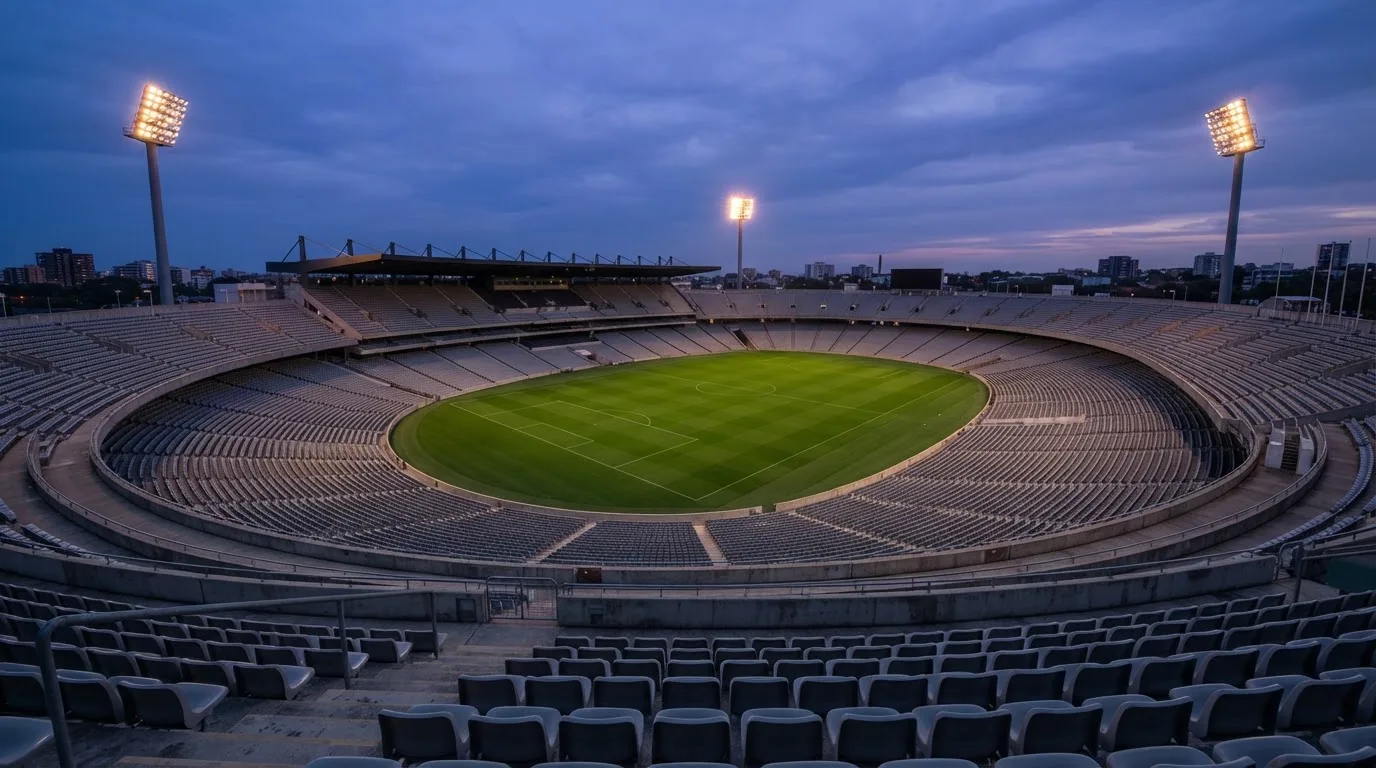
A padel match is best of three sets; under most professional rules a third set is played as a regular set, while at some tournaments the third set is a super tie-break to a smaller target. The match winner market therefore behaves more like a tennis best-of-three than a football 1X2: a heavy favourite in a two-set match can sit at 1.20 or shorter, and the outsider can drift past evens without anything being obviously broken. The bettor who treats a 1.50 favourite as a “near-certain” bet is pricing tennis doubles, not singles; the bettor who treats it as a price that needs a value edge to back has the right posture.
Set betting and totals
Set betting offers the same shape as tennis set betting: pick 2-0 or 2-1 for either pair. Total games and over/under lines appear at the bigger events and behave like tennis equivalents, with the caveat that a tie-break at 6-6 adds a defined block to the count. A bettor who plays over/under on padel needs to know whether the line includes the tie-break games, because the difference between including and excluding them is the kind of detail that shows up in the terms rather than on the bet slip.
Doubles markets and pair-level props
Because padel is doubles-first, the market lists outcomes at the pair level: backing the pair to win the match, to win a set, to win a specific set score. Player-level props exist at the bigger events but are thinner than at the equivalent men’s singles tennis tournament, and the depth drops sharply outside Premier Padel Major weeks. A bettor planning a player-prop padel bet should check the specific event’s market list rather than the sport’s general availability.
In-play on padel
In-play padel exists on licensed UK bookmakers but with thinner liquidity than in-play tennis. Live streaming of padel events is patchy outside the biggest tournaments, and the in-play price moves faster than the equivalent tennis match because the bookmaker is hedging a smaller book. The practical consequence: a bettor who likes in-running padel needs a bookmaker with a stable live feed and accepts that the price will react harder to a single break of serve than the equivalent football in-play market would.
The legal frame: how padel betting is regulated in Great Britain
Padel betting in Great Britain runs under the same legal frame as every other sport a bookmaker offers. There is no statutory list of permitted sports or events, and no padel-specific carve-out. What there is, is a licensing regime that covers the operator rather than the market: every commercial bookmaker taking business from customers in Great Britain needs a Gambling Commission licence, and the licence category determines what kind of betting the operator can run rather than what sport it can run on.
The licence regime
The Gambling Commission licenses the whole commercial market under the Gambling Act 2005, which covers Great Britain (England, Scotland and Wales). Northern Ireland is outside the Act and runs on its own older law, so a “GB-licensed” bookmaker is licensed for Great Britain only. Since the Gambling (Licensing and Advertising) Act 2014 an operator whose remote facilities are used in Great Britain needs a Commission licence wherever the operator is based: a Curaçao, Maltese or Gibraltar licence is not a substitute for a Commission licence, although several licence holders above are themselves Gibraltar- or Malta-based, which is the standard post-2014 pattern.
Licence categories a padel bettor can meet
The remote licence categories that matter for padel betting are remote general betting standard (real events), which is what every bookmaker above except Smarkets holds; remote general betting standard (virtual events), which covers virtual rather than real events; remote general betting limited, a smaller category; remote pool betting, which covers pool products on horse and dog racing; and remote betting intermediary, which is the betting exchange category Smarkets holds under. Padel sits under remote general betting standard (real events) at the operators that list it.
The public register and how to use it
The Commission’s public register is the whole test of whether a brand holds a licence, and it can be searched by business name, trading name, domain or account number. The register lists the licence category, the licence holder’s legal name and the trading names under that licence, so a search for “BetMGM” returns the LeoVegas Gaming PLC entry and a search for the account number returns the same licence under its holder name. A licence register entry is not a recommendation and not a ranking, but it is the cleanest answer to the question “is this brand licensed for remote betting in Great Britain”.
What may be bet on
No statutory list of permitted bets or markets exists. A bookmaker licensed under a remote general betting standard (real events) category offers markets under its own rules and under the Commission’s Licence Conditions and Codes of Practice (LCCP), within the meaning of private commercial choice rather than statutory permission. In-play betting on padel is offered by GB-licensed bookmakers and the controls are the operator’s licence conditions and customer-protection duties; there is no statutory carve-out that makes in-play padel specifically more or less restricted than in-play football. Esports, virtual events, politics and novelty markets are treated like any other event under the licence categories they sit in, and a padel bettor who strays into those markets is on the same licence as the padel bet they place.
Identity, age and the first deposit
Minimum age for gambling in Great Britain is 18. Since 7 May 2019 name, address and date of birth are verified before a customer can deposit or gamble, including with a free bet or a bonus. For a padel bettor the practical effect is that no anonymous play is possible at a licensed site, and the verification step happens before the first bet rather than at withdrawal. Source-of-funds questions at higher spend are normal under the money-laundering rules and are not a sign of trouble with the account.
Bonuses and promotions
Advertising is not licensed by the Commission; it runs through the CAP Code for non-broadcast advertising and the BCAP Code for broadcast advertising, enforced by the ASA, alongside the LCCP marketing conditions. Promotion rules in force since 19 January 2026 cap wagering requirements on bonuses at 10x — a £10 bonus at 50x wagering would need £500 of bets; under the cap no more than £100. Mixed-product promotions that require gambling on two or more product types such as betting, casino, bingo and lottery — for example “bet on football to get free spins” — are banned. Whether the cap applies to free bets with no wagering condition and any cap on the money value of a bonus are not established, so a bettor reading the small print should treat the published condition as the binding one.
Tax
The player pays no tax on betting winnings in Great Britain, and a padel bettor’s winning stake returns the full payout. General Betting Duty is the operator’s tax on gross profits and is not charged to the customer. From 1 April 2027 a new remote betting rate of 25% applies within General Betting Duty on most remote bets, while remote bets on UK horse racing, bets on self-service betting terminals, pool betting and in-person betting stay at 15%. Whether operators pass duty on through the odds is not established, and a punter reading a price change after that date should not assume the operator has absorbed the duty.
Offshore
A GB licence is compulsory at the point of consumption, and providing gambling facilities in Great Britain without the licence the Act requires is an offence under section 33 of the Gambling Act 2005 — aimed at the operator, not the customer. A customer who bets on an unlicensed offshore site keeps their stake at risk: no GAMSTOP coverage, no Commission complaints route, no approved dispute-resolution body, no British consumer redress if funds are withheld, and none of the protection that comes with the licensed perimeter. The framing that fits the data is “licensed = checks, limits, GAMSTOP, bonus cap, but also verification before the first bet; unlicensed = none of those protections and possible loss of funds”, and a bettor who accepts the unlicensed route accepts all of that at once.
Responsible gambling on licensed UK padel bookmakers
Padel betting on a licensed UK bookmaker sits inside the responsible-gambling perimeter every operator in the comparison above has signed into. The perimeter is not a marketing line; it is a set of licence conditions the Commission enforces, and a padel bettor who uses any of the features below is using a piece of the regime rather than an operator’s goodwill.
GAMSTOP and self-exclusion
GAMSTOP is the national multi-operator online self-exclusion scheme and a mandatory licence condition for online operators since 31 March 2020. Periods are six months, one year, five years, or five years with auto-renewal, and after the minimum period the exclusion stays in place for a further seven years unless the customer asks GAMSTOP to remove it. GAMSTOP covers online sites and apps; betting shops use a separate service. A padel bettor who has self-excluded through GAMSTOP cannot place a bet on any GB-licensed online sportsbook, including on padel, until the exclusion period ends.
Deposit limits and the customer’s own controls
Operators must offer a gross deposit limit on a fixed time frame under RTS 12. The first changes have applied since 31 October 2025, a second phase was postponed to 30 September 2026, and whether that second phase is live is not established. There is no state-set deposit or loss ceiling for betting, and limits are the customer’s choice: an operator can offer a daily, weekly or monthly cap, and a punter who wants to cap their padel play sets the cap themselves in the safer-gambling section of the account. Limits are a tool, not a backstop, and they sit alongside the customer’s own budget discipline.
Financial vulnerability and risk checks
A financial vulnerability check (LCCP condition 3.4.4, in force since 30 August 2024) applies to licensed remote betting when a customer’s deposits minus withdrawals exceed £150 in a rolling 30 days (since 28 February 2025). The check is a public-record check, for example bankruptcy or county court judgments, and is not an income check and not a credit reference check. Financial risk assessments — the affordability checks of the press — were announced by the Commission in a staged plan, with no start date, and a bettor should read them as “announced, staged, no start date” rather than as in force. The £150 vulnerability check is in force at the data stamp at the top of this page and applies across the comparison above.
Help and support
GamCare runs the National Gambling Helpline. GambleAware funds treatment and education. NHS gambling clinics operate in several regions of England. Gamblers Anonymous runs peer-support meetings. A padel bettor who finds the betting drifting past the budget can use any of these services, and the licensed operators above link to them in their safer-gambling sections. A bettor who feels the betting has stopped being a choice should pick up the phone before picking up the app.
Reading the margin: the number that lives inside every padel price
Every price a bookmaker quotes carries a margin, which is the slice of every pound staked that the bookmaker expects to keep across the market. The margin is not the same as the operator’s profit — it is the built-in edge in the prices themselves, before the operator has paid for staff, marketing or the licence fee. Reading the margin is how a bettor judges whether a price is worth taking; the marketing headline is the welcome offer, and the margin is the cost of betting.
The formula in plain prose
Take a market with two outcomes — a pair to win, a pair to lose, with no draw — quoted at decimal odds. The payout share of the market is one divided by the sum of one over each outcome’s odds: 1 ÷ (1/odds₁ + 1/odds₂). The margin of the market is one minus that payout share. A market with a 95% payout share has a 5% margin, which is the bookmaker’s built-in slice of every pound staked across the market.
Worked example: an illustrative two-way market at 1.90 / 1.90
Consider a two-way padel market priced at 1.90 / 1.90, which is the article-language equivalent of 9/10 on each pair. The implied probabilities of the two prices are both 1/1.90, which is 52.63% each. Adding them gives 105.26%, which is the overround of the market — the total exceeds 100% because the margin is built in.
The payout share is 1 ÷ (1/1.90 + 1/1.90) = 1 ÷ 1.0526 = 0.95, so 95%. The margin of this illustrative market is 5%, which sits at the lower end of the 5% to 8% band often seen at bigger padel events, and represents the slice of every pound staked across both outcomes that the bookmaker keeps on average.
Why the margin shows the same number several ways
A 5% margin, a 95% payout share and the overround above 100% are the same market seen from three angles. The bettor who reads a single decimal odds does not see any of them; the bettor who adds up the implied probabilities of all the outcomes does. The exercise is worth doing on the prices you actually bet on, because two bookmakers quoting 1.85 / 1.95 on the same padel match are quoting different markets and one of them is cheaper than it appears.
The honest range for a padel market
Padel markets tend to sit in the 5% to 8% margin band at the bigger Premier Padel events, with thinner markets pushing toward 10% or wider. The exact figure is event- and operator-specific and cannot be printed as a single number for the page. A bettor who wants the live number runs the calculation above against the prices on the bet they’re about to place: the higher the overround above 100%, the more the price is paying for the operator’s edge rather than for the bettor’s chance of winning.
How a winning padel bet pays back
The arithmetic of a padel winning bet is the same arithmetic as any other sport: the return is the stake multiplied by the decimal odds, and the net profit is the stake multiplied by the decimal odds minus one. The difference between padel and the next sport is the shape of the odds — a heavily favoured pair can sit at 1.20 or shorter, an evenly priced pair sits around 1.85 to 1.95, and an outsider drifts past evens without anything being obviously broken.
The single-bet formula
A £10 stake on a pair at 2.50 returns £25, of which £15 is profit and £10 is the stake returned. A £10 stake on a pair at 1.50 returns £15, of which £5 is profit and £10 is the stake returned. The stake is always returned on a single win at any licensed bookmaker, which is the cleanest reading of “return” the bettor gets from a winning slip.
Combinations multiply into one price
For a combination bet the odds of the legs multiply into one price. Two legs at 2.00 and 3.00 give a combined price of 6.00, so a £10 stake returns £60 if both win. The risk is that one leg losing kills the bet, and the more legs the bettor adds the longer the odds and the shorter the probability. A padel combination bet is a multi-event bet the same way any other sport’s combination bet is: the legs are independent events and the price is the product of the legs.
What the calculation does not tell you
The arithmetic of return answers what a winning bet pays back. It does not answer how likely the bet is to win, and it does not answer whether the bet is worth placing. The probability question is the bettor’s own judgment about the match; the value question is whether the price offered exceeds the bettor’s own fair price by enough to clear the margin discussed above. The two are separate and the slip builder does not settle either of them.
Comparing the operators: where each one fits
The ten operators above are not interchangeable, and the right comparison is the one that lines up the operator with the kind of bettor the punter is. A bettor who treats padel as a primary in-play product wants a bookmaker with a deep live padel feed and a stable in-play interface. A bettor who treats padel as one market among several wants a bookmaker whose general sportsbook infrastructure works for them and that lists padel on the headline weeks.
Where each operator leans
BetMGM sits in the middle of the field on padel coverage and inherits the wider MGM/LeoVegas stack. For a punter who already has a LeoVegas-ecosystem account and wants padel on the same wallet.
Octobet is a smaller brand with a refund-shaped welcome. For a bettor who plans a single padel selection rather than an accumulator welcome strategy.
Smarkets is the exchange option, with thinner liquidity on padel than on football but with a margin that compresses toward what the market clears at. For the bettor who treats padel as one market among several and wants a price benchmark.
LiveScore Bet is a football-first bet builder that touches padel on the headline events. For a bettor who wants a same-event multi on the bigger weeks and is happy to use a different bookmaker for padel-specific props.
Betboro carries a generous-looking welcome with an explicit multi-selection requirement. For a punter who plans an acca as the qualifying bet.
Bar One Racing is an Irish-licensed brand with a horse-racing centre of gravity. For a bettor who already has an Irish-licensed account and wants to back a padel Major winner as a one-off.
VBet is a multi-product platform with a casual-shaped welcome. For a bettor who wants a single operator across sports, casino and esports with padel as one in-play market.
Bet Ahoy is a smaller book with a small, uncomplicated welcome. For a punter who bets £10 a match and treats padel as one of several sports.
Midnite is a mobile-first sportsbook with acca infrastructure and a soft welcome. For a padel punter who values the acca builder and the in-play feed.
Fitzdares is a premium-positioned bookmaker with a full multiple-bet infrastructure. For a punter who values the brand’s positioning and the breadth of its multiple-bet products.
The honest read
No single brand dominates this comparison on padel specifically, and a punter who treats padel as a primary market will end up with more than one account. The licensed bookmakers above each carry padel on Premier Padel Major weeks; the depth of the market list and the stability of the in-play feed are the variables that pick the primary account, and the variables cannot be settled on a static page. The right comparison is the one that puts the bettor’s own priority on the operator’s strength, and the audit that justifies that comparison reads the live rather than this page.
Closing the book on padel betting odds in 2026
Padel betting odds in 2026 sit at the intersection of a sport that grew into a market over the last decade and a UK licensing regime that wraps every commercial bookmaker in the same perimeter. The arithmetic of the price is the same as every other sport: a margin built into every market, a return that is stake times odds, and a combination price that is the product of its legs. The character of the market is its own: doubles-first outcomes, shorter sets, thinner in-play liquidity than the equivalent tennis event, and a calendar anchored by Premier Padel that drives most of the price action a UK punter sees.
The operator comparison above sits inside that frame. Every brand listed holds a Gambling Commission remote betting licence, which is the cleanest answer to the licensed-or-not question a punter asks first; every brand offers padel on at least the Premier Padel Major weeks; and every brand carries the wider responsible-gambling perimeter the Commission enforces. The differences between them are the differences in welcome offer shape, in-play feed stability, acca infrastructure and brand positioning, and a punter who knows which of those matters most for the way they bet has already done the comparison.
The honest end is that the audit a punter actually needs runs against the live odds feed, not this one. The page above sets the frame; the bet slip sets the price.
Frequently asked questions about padel betting odds
Can you bet on padel in Great Britain?
Padel can be bet on at any bookmaker licensed by the Gambling Commission for remote general betting standard (real events), which covers every mainstream UK sportsbook. The professional game is anchored by Premier Padel, the unified global tour that took effect from the 2024 season, and licensed bookmakers cover its Major and P1 weeks at a minimum. Smaller FIP events appear with thinner pricing at fewer operators, and a punter who plans to follow the full FIP calendar should expect gaps in coverage.
How can it be checked that a bookmaker holds a Gambling Commission licence?
The Gambling Commission’s public register is the whole test of whether a brand holds a licence, and it can be searched by business name, trading name, domain or account number. The register returns the licence category, the licence holder’s legal name and the trading names under that licence, and a search for the brand name or the licence account number returns the same entry. A licence register entry is not a recommendation, but it is the cleanest answer to the licensed-or-not question.
How is the return on a bet worked out from the stake and the odds?
For a single bet the return is the stake multiplied by the decimal odds, and the net profit is the stake multiplied by the decimal odds minus one. A £10 stake at 2.50 returns £25, of which £15 is profit and £10 is the stake returned. For a combination bet the odds of the legs multiply into one price, and a £10 stake on two legs at 2.00 and 3.00 returns £60 if both win.
What is the bookmaker’s margin and how can it be seen in the odds?
The margin is the slice of every pound staked that the bookmaker keeps across all outcomes of a market. To see it, convert each decimal odds to its implied probability (1 ÷ odds), add the implied probabilities, and subtract 100%: the result is the overround. A two-way market at 1.90 / 1.90 has implied probabilities of 52.63% each, an overround of 5.26%, and a margin of 5%. Padel markets at the bigger events tend to sit in the 5% to 8% margin band, with thinner markets pushing wider.
Which tools for controlling play does a licensed bookmaker have to offer?
A licensed UK bookmaker must offer GAMSTOP self-exclusion (six months, one year, five years, or five years with auto-renewal, with a further seven years unless the customer asks GAMSTOP to remove it), deposit limits under RTS 12, timeouts, and links to GamCare, GambleAware and Gamblers Anonymous. A financial vulnerability check applies when deposits minus withdrawals exceed £150 in a rolling 30 days. Identity verification before the first deposit is mandatory since 7 May 2019, and credit cards are banned for gambling in Great Britain since 14 April 2020.
Tennis, darts & cue sports – UK betting
Content created by the «UK betting» team
